
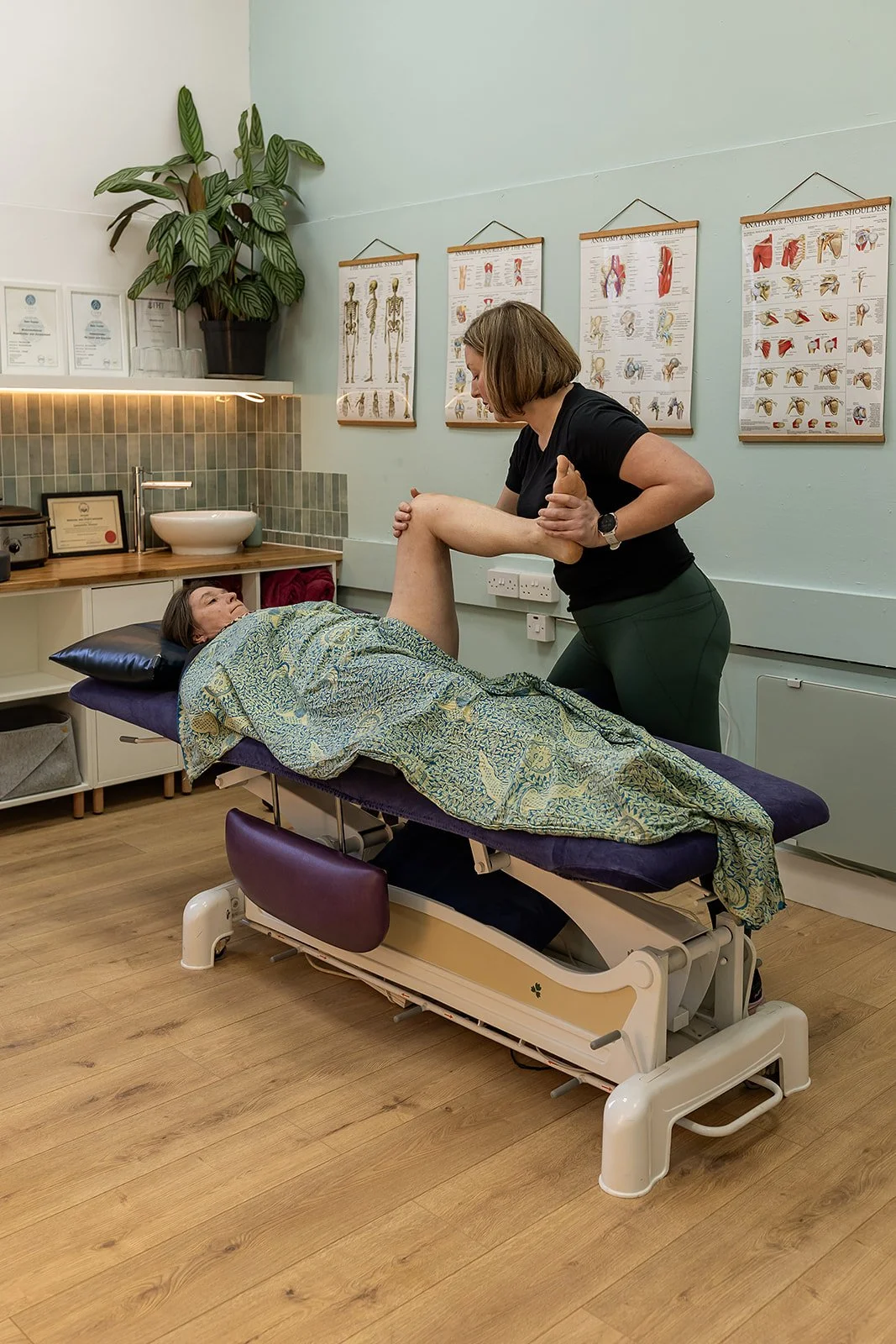
Remedial and Sport Massage
Remedial and Sports Therapy isn’t just for athletes, it’s for anyone experiencing musculoskeletal pain, tension, injury, or restricted movement.
Whether your discomfort stems from sport, work, stress, posture, or everyday life, treatment is always tailored specifically to you.
Alongside hands on soft tissue techniques, I may incorporate modalities such as dry needling, cupping therapy, electrotherapy, taping, and personalised rehabilitation exercises where appropriate. Every approach is chosen with intention to reduce pain, ease tension, support healing, and help your body function more efficiently.
As symptoms settle, we focus on rebuilding strength, improving range of motion, restoring balance, and increasing confidence in movement.
The ultimate goal is simple, to help you move freely, feel stronger, and return to functioning at your best, in a way that feels sustainable and supportive.
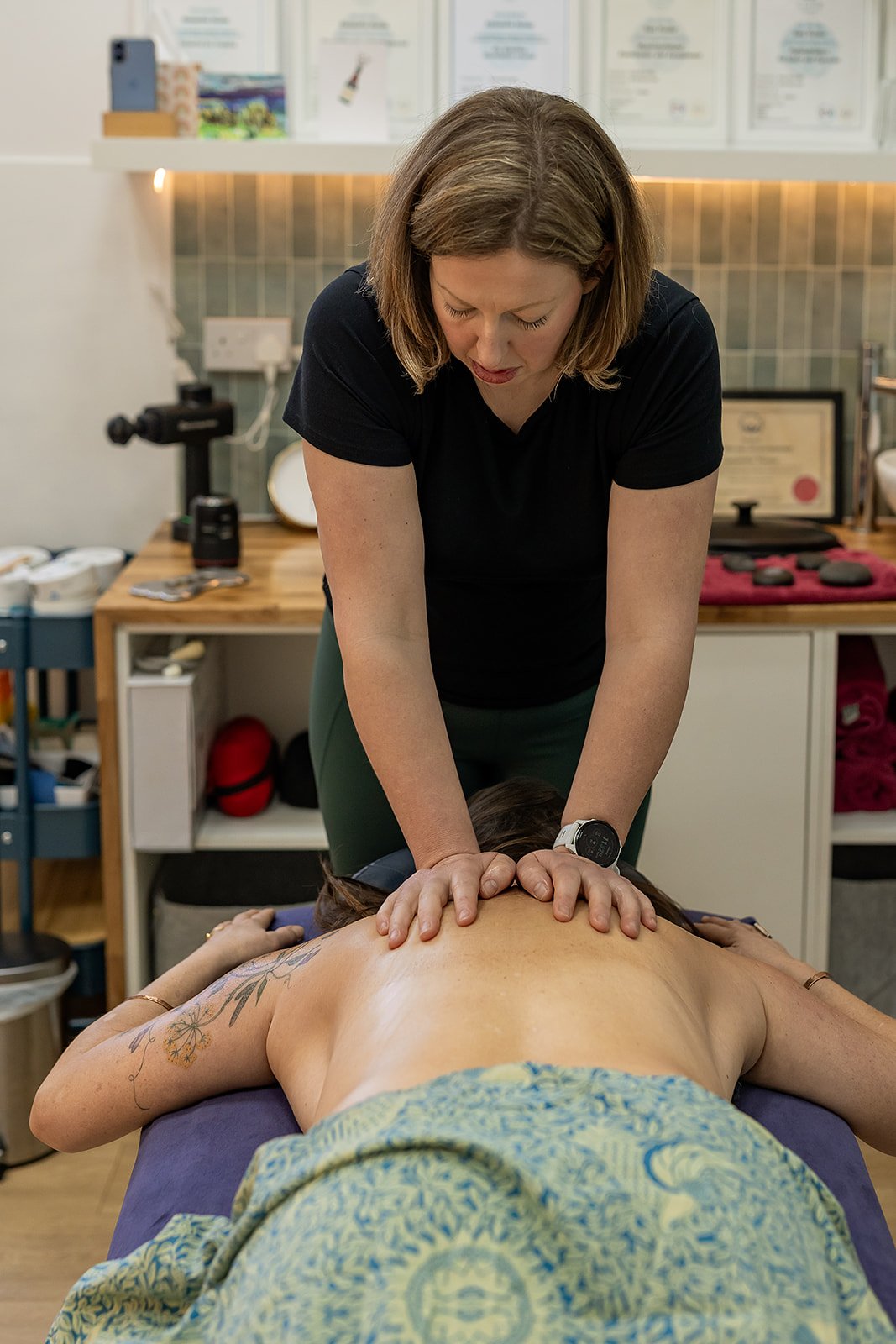
Therapeutic Massage
Therapeutic massage is designed to help you slow down, switch off, and release built-up tension.
Using calming, rhythmic techniques, treatment encourages deep relaxation while easing muscular tightness. It can help improve sleep quality, reduce stress levels, support circulation, and give your nervous system the space it needs to reset.
This treatment can be tailored to a full body experience or focused solely on the back depending on what you need most on the day.
Time to pause. Time to breathe. Time for you.
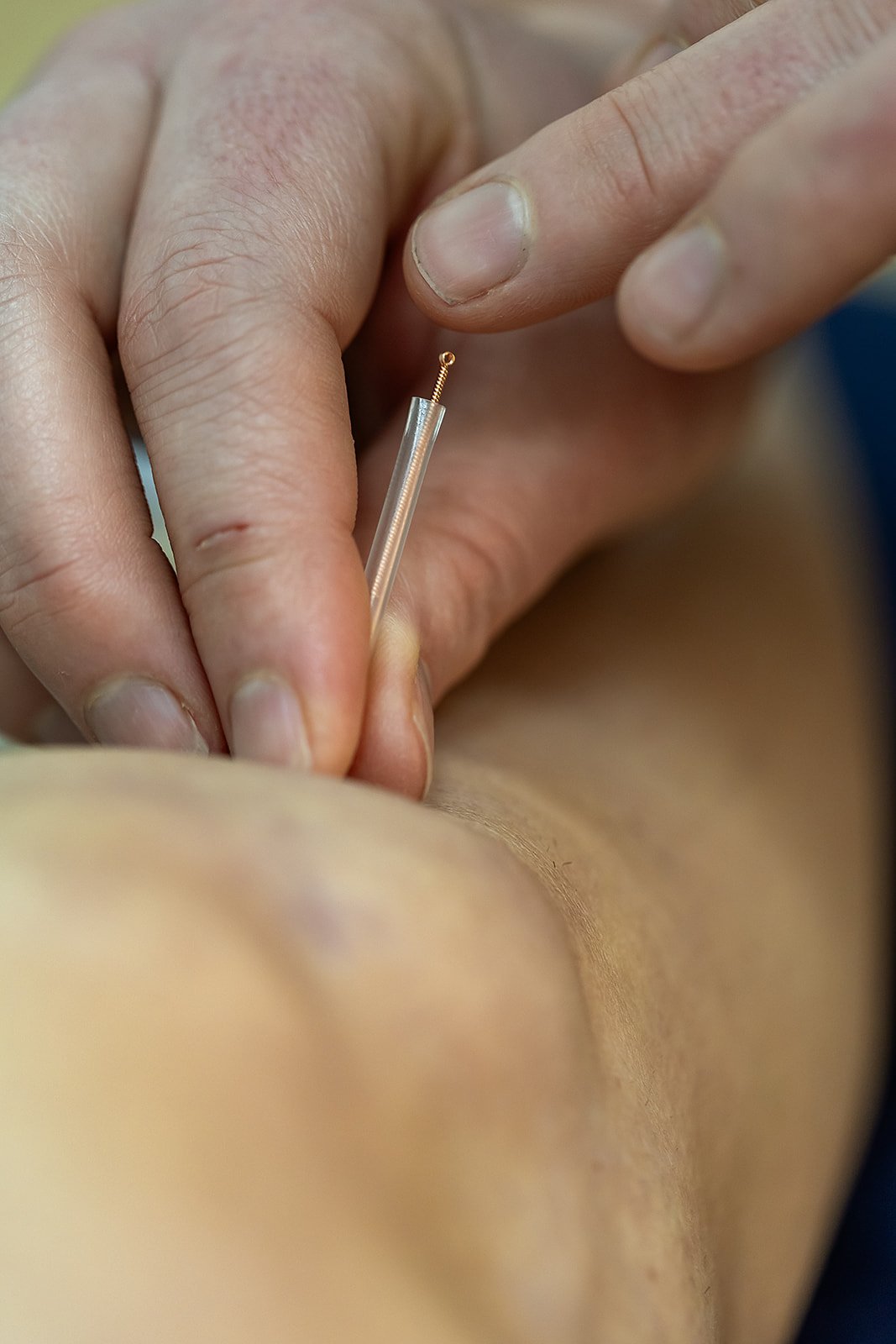
Dry needling is a highly effective technique used to release deep muscular tension and reduce pain. It involves the gentle insertion of very fine, sterile needles into tight or overactive muscles, often referred to as trigger points to help reset the muscle and restore normal movement.
By stimulating the muscle directly, dry needling can reduce pain, improve circulation, and encourage the nervous system to let go of protective tension. It’s particularly helpful for persistent tightness, sports injuries, headaches linked to muscular tension, and areas that just won’t seem to switch off.
You may feel a brief twitch or dull ache during treatment, followed by a heavy or worked sensation afterwards which usually settles within 24–48 hours.
Dry needling is always used as part of a wider treatment plan. Combined with hands-on therapy, movement work, and rehabilitation, it supports your body in moving better, feeling stronger, and functioning at its best.
Dry Needling
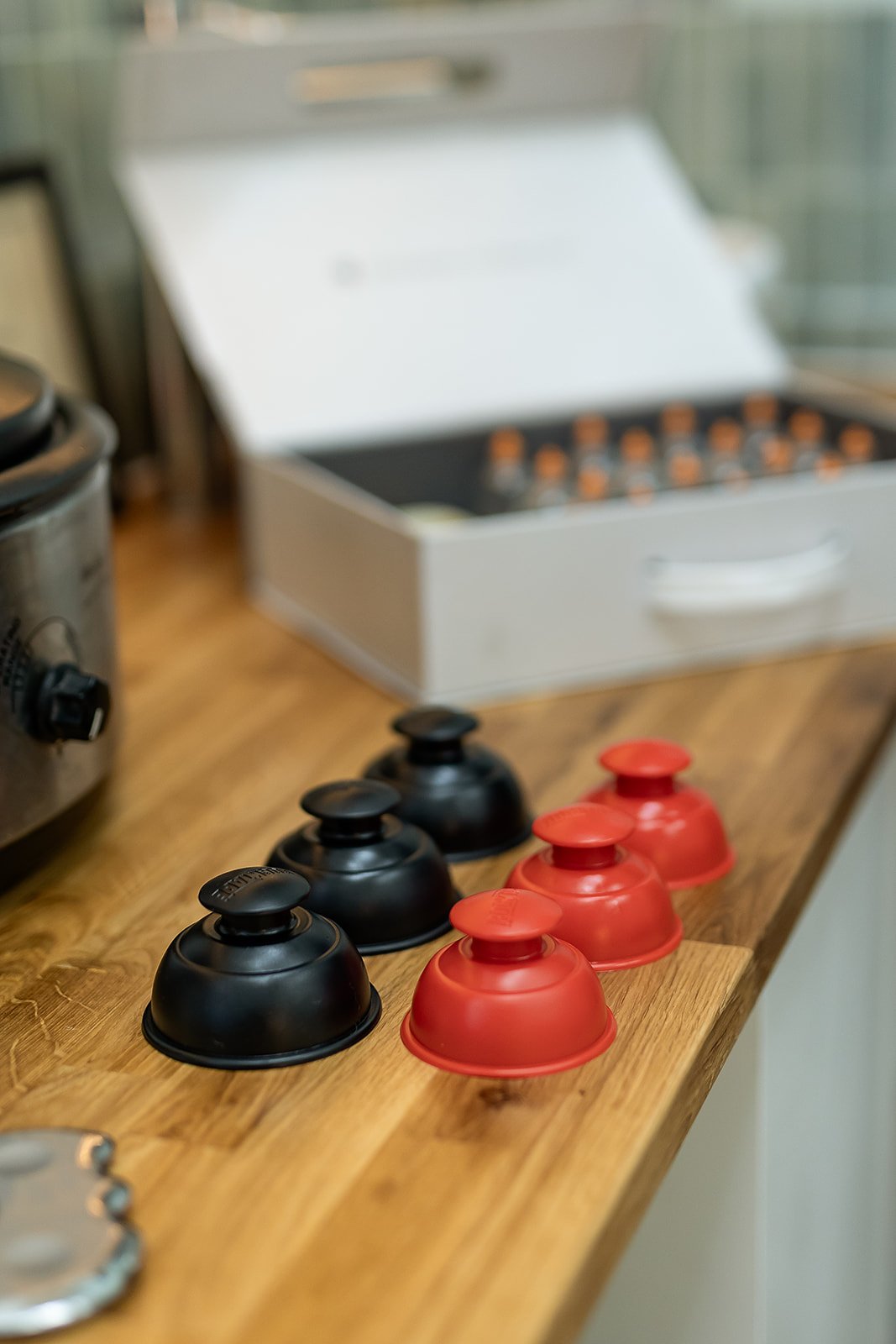
Cupping and IASTM are supportive techniques I may incorporate into your treatment, depending on what your body needs on the day. They work beautifully alongside hands on therapy and rehabilitation to help restore movement and reduce discomfort.
Instrument Assisted Soft Tissue Mobilisation (IASTM) involves using specially designed tools to gently glide over the skin. This helps to mobilise scar tissue, address myofascial restrictions, and improve overall tissue quality. It can be particularly effective for stubborn areas that feel tight, restricted, or slow to respond to traditional massage alone.
Cupping therapy uses gentle suction to lift and decompress the tissue. Rather than applying pressure down into the muscle, it lifts the fascia and underlying structures, encouraging circulation, easing tightness, and improving mobility. Many clients find it especially helpful for areas of persistent tension or movement dysfunction.
Cupping and IASTM
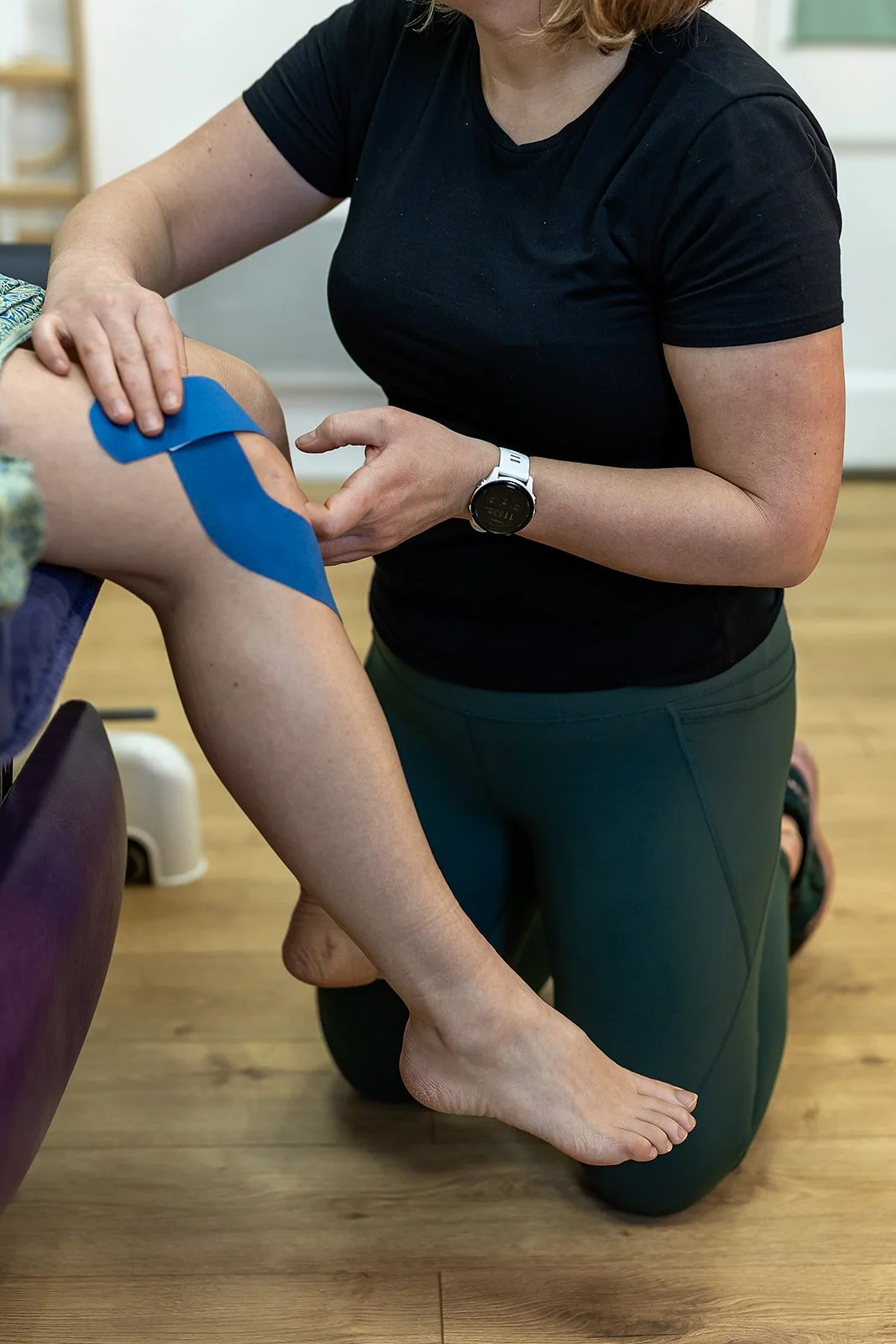
Taping can be applied to most areas of the body to increase function, proprioception and to create postural awareness. When tape is applied it decompresses the skin and superficial fascia, with this it changes the neural input to reduce pain and change movement.
Can be applied after any treatment or as a stand alone treatment.